Amazon Fire TV Channels – 400 TV channels for free
Already with the introduction of Amazon Freevee FAST channels (FAST= Free-Ad-Supported Streaming TV) were integrated, but this offer has recently been significantly expanded. Amazon has signed a deal with Warner Bros. Discovery and its subsidiary MGM. This gives Freevee users access to 23 special interest channels offering content from the two renowned film studios. Warner in particular has recently focused more on cooperation with advertising-financed AVoD platforms. But the journey goes much further, because with 400 TV channels that are initially only available in the USA, the streaming business is increasingly being expanded to an advertising-financed model.

 Anzeige
Amazon Fire TV Channels – 400 TV channels for free
Already with the introduction of Amazon Freevee FAST channels (FAST= Free-Ad-Supported Streaming TV) were integrated, but this offer has recently been significantly expanded. Amazon has signed a deal with Warner Bros. Discovery and its subsidiary MGM. This gives Freevee users access to 23 special interest channels offering content from the two renowned film studios. Warner in particular has recently focused more on cooperation with advertising-financed AVoD platforms. But the journey goes much further, because with 400 TV channels that are initially only available in the USA, the streaming business is increasingly being expanded to an advertising-financed model.
Anzeige
Amazon with a new focus
Amazon with a new focus
Prime Video users are already familiar with self-promotion, which can be shown before series and films, but can also be skipped. If Prime Video introduced even more extensive advertising, skipping would no longer exist in a purely ad-supported model . It remains unclear whether this model, similar to Netflix, will be cheaper or even free.
Amazon has so far had clear differences between Prime Video and Freevee made. Nevertheless, there were spin-offs from premium series such as „Bosch Legacy“ that were shown exclusively on Freevee. Compared to other AVOD services, Freevee offers more high-quality series and films from the Amazon range. It’s conceivable that Prime Video will introduce advertising, since competitors like Netflix and Disney+ also have similar pricing models in the US. It would be surprising if Amazon didn’t follow such a trend. However, Prime Video’s current pricing model is already partially cheaper than that of the competition. Especially when you consider what else is included in the Prime subscription.
If Amazon decides to go with this model, implementation could happen soon. The launch of Freevee in Germany was also delayed because the service was previously available in the US as „IMDb TV“ was known. In the near future, Disney+ is likely planning to also (in addition to the upcoming price increase) introduce an ad-supported model in Germany. It is therefore becoming increasingly clear that the fragmentation of streaming services is blossoming, and attempts are being made to compensate for losses caused by the loss of content.
400 TV channels with advertising
In the summer of this year, Amazon FAST (FAST= Free-Ad-Supported Streaming TV) will initially be launched in the USA with 400 free-to-air TV channels. But of course nothing in life is really free and you will have to live with advertisements on an unprecedented scale. It will probably start slowly, because on the one hand data on user behavior still has to be generated, and of course you don’t want to drive users away right at the beginning with advertising terror – which has become the norm in classic TV.
The advantage is that users neither need a Prime subscription nor an Amazon account. With a Fire TV Stick that can be plugged into the TV and connected via WLAN, the „enjoyment“ with the streaming of the TV channels can start without running costs.
„The reason for the TV broadcasters to be more open to Amazon Fire TV is the possibility of more targeted advertising. In classic TV, attempts have been made to better align advertising with the target groups for many years, but the major disadvantage for advertisers via this advertising channel is that, due to the insufficient database, it is mostly „stray fire“ and a lot of advertising budget is wasted as a result .“
Streaming portals such as Netflix, Disney+ and Amazon Prime Video can of course provide significantly more data based on user behavior and display advertising in a more targeted manner. Because the streaming market is always expanding more fragmented, and the cost pressure of streaming providers due to rising production costs and license fees, advertising-financed models spread the risk.
It’s pretty certain that Amazon will expand its range of free-to-air TV channels in other countries outside of the USA. However, it remains to be seen whether users will accept the already overflowing range of TV channels.
Prime Video users are already familiar with self-promotion, which can be shown before series and films, but can also be skipped. If Prime Video introduced even more extensive advertising, skipping would no longer exist in a purely ad-supported model . It remains unclear whether this model, similar to Netflix, will be cheaper or even free.
Amazon has so far had clear differences between Prime Video and Freevee made. Nevertheless, there were spin-offs from premium series such as „Bosch Legacy“ that were shown exclusively on Freevee. Compared to other AVOD services, Freevee offers more high-quality series and films from the Amazon range. It’s conceivable that Prime Video will introduce advertising, since competitors like Netflix and Disney+ also have similar pricing models in the US. It would be surprising if Amazon didn’t follow such a trend. However, Prime Video’s current pricing model is already partially cheaper than that of the competition. Especially when you consider what else is included in the Prime subscription.
If Amazon decides to go with this model, implementation could happen soon. The launch of Freevee in Germany was also delayed because the service was previously available in the US as „IMDb TV“ was known. In the near future, Disney+ is likely planning to also (in addition to the upcoming price increase) introduce an ad-supported model in Germany. It is therefore becoming increasingly clear that the fragmentation of streaming services is blossoming, and attempts are being made to compensate for losses caused by the loss of content.
400 TV channels with advertising
In the summer of this year, Amazon FAST (FAST= Free-Ad-Supported Streaming TV) will initially be launched in the USA with 400 free-to-air TV channels. But of course nothing in life is really free and you will have to live with advertisements on an unprecedented scale. It will probably start slowly, because on the one hand data on user behavior still has to be generated, and of course you don’t want to drive users away right at the beginning with advertising terror – which has become the norm in classic TV.
The advantage is that users neither need a Prime subscription nor an Amazon account. With a Fire TV Stick that can be plugged into the TV and connected via WLAN, the „enjoyment“ with the streaming of the TV channels can start without running costs.
„The reason for the TV broadcasters to be more open to Amazon Fire TV is the possibility of more targeted advertising. In classic TV, attempts have been made to better align advertising with the target groups for many years, but the major disadvantage for advertisers via this advertising channel is that, due to the insufficient database, it is mostly „stray fire“ and a lot of advertising budget is wasted as a result .“
Streaming portals such as Netflix, Disney+ and Amazon Prime Video can of course provide significantly more data based on user behavior and display advertising in a more targeted manner. Because the streaming market is always expanding more fragmented, and the cost pressure of streaming providers due to rising production costs and license fees, advertising-financed models spread the risk.
It’s pretty certain that Amazon will expand its range of free-to-air TV channels in other countries outside of the USA. However, it remains to be seen whether users will accept the already overflowing range of TV channels.
Über den Autor:


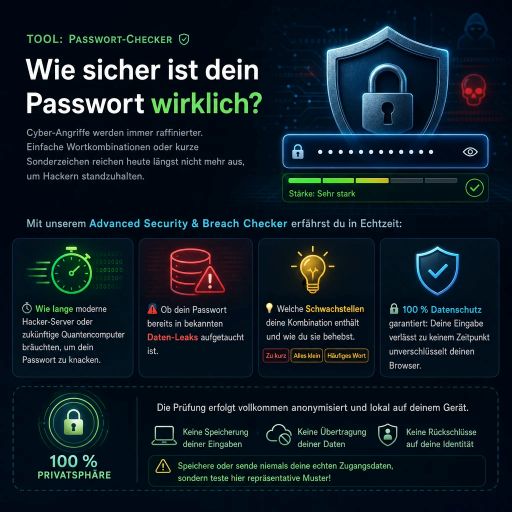
Passwort-Check – 100% anonym
Über den Autor:
Passwort-Check – 100% anonym
Popular Posts

Ein leises Lebewohl: Warum das Ende des Google Assistant unvermeidbar war
2025 markiert das Ende einer Ära: Der klassische Google Assistant wurde durch Gemini ersetzt. Wir analysieren, warum die alte „Befehl-und-Ausführung“-Logik sterben musste, damit echte KI-Konversationen leben können, und was dieser Wandel heute für Ihr Smart Home bedeutet.

Von der „Lücke“ zur Agilität: Warum der Zickzack-Lebenslauf die Zukunft ist
Der schnurgerade Lebenslauf hat ausgedient. Erfahren Sie, warum Portfolio-Karrieren und Brüche in der Biografie heute als Zeichen von Agilität gelten und nicht mehr als Makel. Ein Vergleich mit der US-Mentalität zeigt: Mut zum Zickzack-Kurs zahlt sich aus.

Digital Detox im Job: Die Kunst der bewussten Unerreichbarkeit
Fühlen Sie sich von E-Mails und Push-Nachrichten getrieben? Digital Detox im Job bedeutet nicht, das Internet abzuschalten, sondern die Kontrolle zurückzugewinnen. Lesen Sie hier, wie Sie durch bewusste Auszeiten Ihre Produktivität steigern und Burnout effektiv vorbeugen.

Warum Laptops ohne NPU bald Geschichte sind
Vergessen Sie GHz: Der wichtigste Chip in Ihrem nächsten Laptop ist die NPU. Ohne sie fehlen bald wichtige Funktionen. Wir zeigen, warum der „AI PC“ den klassischen Computer ablöst und welche Geräte mit Snapdragon, Intel Lunar Lake und Apple M4 jetzt den Ton angeben.

Warum oft kein Mensch Ihren Lebenslauf sieht
Schnelle Absage ohne Grund? Oft ist ein Algorithmus schuld. Applicant Tracking Systems (ATS) scannen Bewerbungen, bevor ein Mensch sie sieht. Erfahren Sie, wie diese KI-Filter arbeiten und wie Sie Ihren Lebenslauf optimieren, um den "digitalen Türsteher" zu überzeugen.
Passwort-Wahnsinn: Warum Passkeys die Zukunft sind
Die Ära der Passwörter endet. Passkeys bieten Schutz vor Phishing und machen den Login so einfach wie einen Blick aufs Handy. Doch was passiert beim Handywechsel? Dieser Artikel erklärt die Technik und gibt wichtige Tipps für den sicheren Umzug Ihrer digitalen Schlüssel.
 Anzeige
 Anzeige
Popular Posts
Ein leises Lebewohl: Warum das Ende des Google Assistant unvermeidbar war
2025 markiert das Ende einer Ära: Der klassische Google Assistant wurde durch Gemini ersetzt. Wir analysieren, warum die alte „Befehl-und-Ausführung“-Logik sterben musste, damit echte KI-Konversationen leben können, und was dieser Wandel heute für Ihr Smart Home bedeutet.
Von der „Lücke“ zur Agilität: Warum der Zickzack-Lebenslauf die Zukunft ist
Der schnurgerade Lebenslauf hat ausgedient. Erfahren Sie, warum Portfolio-Karrieren und Brüche in der Biografie heute als Zeichen von Agilität gelten und nicht mehr als Makel. Ein Vergleich mit der US-Mentalität zeigt: Mut zum Zickzack-Kurs zahlt sich aus.
Digital Detox im Job: Die Kunst der bewussten Unerreichbarkeit
Fühlen Sie sich von E-Mails und Push-Nachrichten getrieben? Digital Detox im Job bedeutet nicht, das Internet abzuschalten, sondern die Kontrolle zurückzugewinnen. Lesen Sie hier, wie Sie durch bewusste Auszeiten Ihre Produktivität steigern und Burnout effektiv vorbeugen.
Warum Laptops ohne NPU bald Geschichte sind
Vergessen Sie GHz: Der wichtigste Chip in Ihrem nächsten Laptop ist die NPU. Ohne sie fehlen bald wichtige Funktionen. Wir zeigen, warum der „AI PC“ den klassischen Computer ablöst und welche Geräte mit Snapdragon, Intel Lunar Lake und Apple M4 jetzt den Ton angeben.
Warum oft kein Mensch Ihren Lebenslauf sieht
Schnelle Absage ohne Grund? Oft ist ein Algorithmus schuld. Applicant Tracking Systems (ATS) scannen Bewerbungen, bevor ein Mensch sie sieht. Erfahren Sie, wie diese KI-Filter arbeiten und wie Sie Ihren Lebenslauf optimieren, um den "digitalen Türsteher" zu überzeugen.
Passwort-Wahnsinn: Warum Passkeys die Zukunft sind
Die Ära der Passwörter endet. Passkeys bieten Schutz vor Phishing und machen den Login so einfach wie einen Blick aufs Handy. Doch was passiert beim Handywechsel? Dieser Artikel erklärt die Technik und gibt wichtige Tipps für den sicheren Umzug Ihrer digitalen Schlüssel.
Anzeige
Anzeige